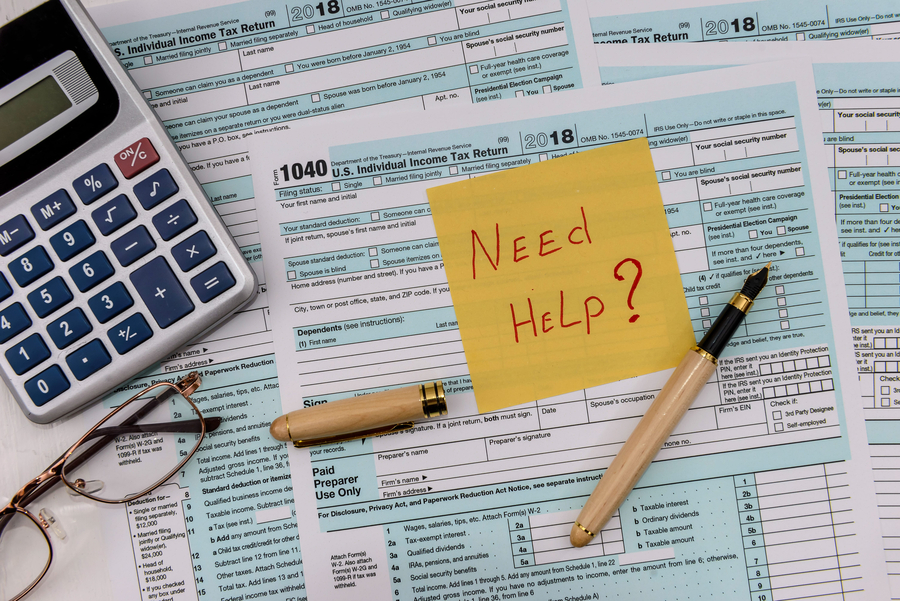
Receiving a notice from the IRS can be a stressful experience. Whether it’s a simple question or a more complex issue, understanding what each IRS letter means and knowing when to respond is important. At Quality Taxes and Multiservices, we aim to make these notices easier to understand and provide the support you need to handle them properly. Let’s look at common IRS notices and how you can get IRS notice help, including a free IRS notice consultation.
Understanding IRS Notices
The IRS sends out various types of notices to taxpayers for different reasons. These notices can range from simple notifications to more serious issues that require immediate attention. Understanding the nature of these notices can help reduce some of the anxiety and ensure you respond correctly.
Common Types of IRS Notices
Here are some of the most common types of IRS notices you might encounter:
- CP2000 Notice: This notice is issued when there is a difference between the information reported on your tax return and what the IRS has on file. It’s not an audit notice but a proposal to adjust your income, credits, or deductions.
- CP501 Notice: This is a reminder that you have a balance due on one of your tax accounts. It is important to act quickly to avoid additional penalties and interest.
- CP503 Notice: Another reminder about an unpaid balance. This notice is sent if you have not responded to the previous CP501 notice.
- CP504 Notice: This notice indicates that the IRS intends to levy your state tax refund due to unpaid taxes. It’s important to respond to avoid further action.
- CP90/CP297 Notice: These are final notices of intent to levy and a notice of your right to a hearing. It’s a serious notice that requires immediate attention.
IRS Verification Notice
An IRS verification notice may be sent to verify your identity due to suspected identity theft or other discrepancies. This notice requires you to confirm your identity before your tax return can be processed. It’s important to respond quickly to avoid delays in your tax processing and refunds.
When to Respond to an IRS Notice
Timely responses to IRS notices are important. Each notice will generally include a deadline by which you must respond. Failing to meet this deadline can result in penalties, interest, or other collection actions. Here’s a guide on when to respond to various notices:
- CP2000 Notice: You typically have 30 days from the date of the notice to respond. You can either agree with the proposed changes or provide documentation to dispute them.
- CP501 and CP503 Notices: Respond as soon as possible to arrange payment or discuss payment options to prevent further action.
- CP504 Notice: Immediate action is required to prevent the IRS from levying your state tax refund.
- CP90/CP297 Notices: You have 30 days to request a Collection Due Process hearing to dispute the levy.
How to Get IRS Notice Help
Understanding and responding to IRS notices can be stressful, but you don’t have to face this alone. Quality Taxes and Multiservices offers resources and support to help you handle these issues.
Steps to Take Upon Receiving an IRS Notice
Here’s what you can do when you receive an IRS notice:
- Read the Notice Carefully: Understand what the IRS is asking for. Each notice contains important information about what you need to do.
- Verify the Notice: Ensure the notice is real. The IRS will never contact you via email or social media. Always check the IRS website or contact them directly to confirm the notice’s authenticity.
- Gather Your Information: Collect any necessary documents, such as tax returns, W-2s, or 1099s, that support your case.
- Respond Appropriately: Follow the instructions on the notice on how to respond. If you’re unsure, seek professional IRS notice help.
IRS Notice Consultation
At Quality Taxes and Multiservices, we offer a free IRS notice consultation to help you understand your notice and determine the right next step. Our team of experienced tax professionals is here to help you resolve any issues and provide peace of mind.
Preventing Future IRS Notices
While it’s not always possible to avoid IRS notices, there are steps you can take to minimize the likelihood of receiving them:
- File Accurate Returns: Ensure that your tax returns are accurate and complete. Double-check your numbers and ensure that all required information is included.
- Report All Income: Make sure to report all income, including any freelance or side jobs, to avoid discrepancies.
- Keep Good Records: Maintain organized records of your income, deductions, and credits to support your tax return.
- Respond Quickly: If you do receive a notice, respond quickly to avoid bigger problems.
Dealing with IRS notices can be stressful, but with the right guidance and support, you can handle the process with confidence. At Quality Taxes and Multiservices, we are committed to providing you with the IRS notice help you need. Whether you need assistance understanding a notice or require a free IRS notice consultation, our team is here to support you. Remember, timely and accurate responses can help in resolving IRS issues effectively.
For more detailed assistance, feel free to reach out to us at Quality Taxes and Multiservices. Together, we can ensure that you handle your IRS matters properly.