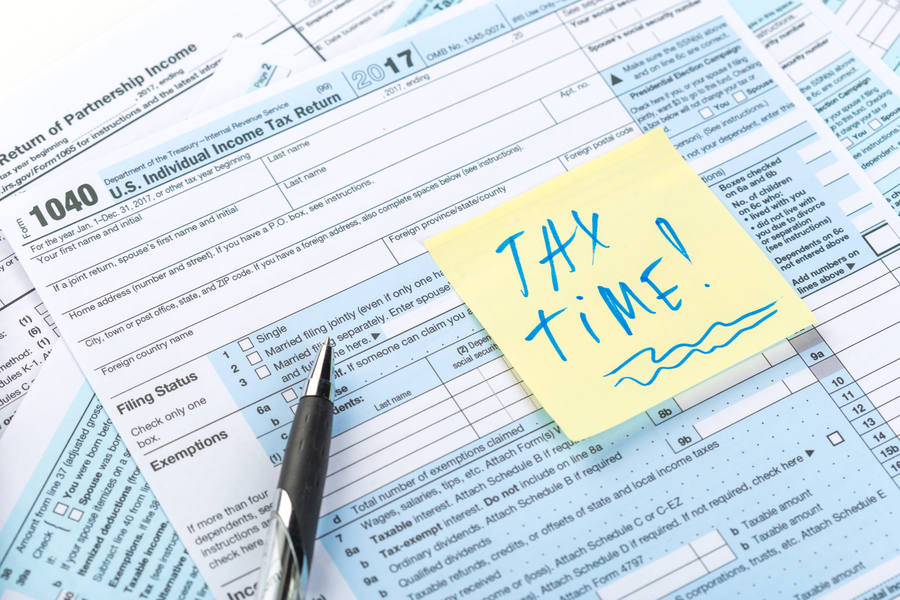

Dealing with back taxes can feel stressful, especially when late, incorrect, or unfiled returns may lead to penalties, interest, or IRS notices. For taxpayers looking for help with back taxes in Atlanta GA, taking action early can make the process easier to manage. In this blog, Quality Taxes and Multiservices explains how to address back taxes, organize missing records, file past-due returns, and review possible tax filing options.
Understanding Back Taxes and Their Implications
Back taxes mean any outstanding taxes that were not paid by the due date. These can grow over time if the taxpayer fails to file a return or pays less than the amount owed. In Atlanta, GA, like the rest of the United States, failing to address back taxes can lead to severe consequences, including:
- Penalties and Interest: The IRS imposes penalties and interest on unpaid taxes, which can increase the amount you owe.
- IRS Notices: Ignoring back taxes can result in receiving IRS notices, which may escalate to legal actions such as liens or levies.
- Credit Score Impact: Outstanding tax debts can negatively affect your credit score, making it difficult to obtain loans or credit.
Steps to Address Late or Unfiled Tax Returns
1. Gather Your Financial Records
The first step in resolving back taxes in Atlanta GA is to gather all relevant financial records. This includes W-2s, 1099s, bank statements, and any other documents related to your income and expenses. Having these records organized will make it easier to file your tax returns correctly.
2. File All Unfiled Tax Returns
Filing any unfiled tax returns is important in addressing back taxes. The IRS requires taxpayers to file a return for each year they have earned income. If you have multiple years of unfiled returns, start with the most recent year and work your way back. Consider seeking professional assistance from a tax preparer or accountant to ensure accuracy and compliance.
3. Review and Correct Any Errors
In some cases, back taxes may result from errors in previously filed returns. It’s important to review your past returns for mistakes that could have led to unpaid balance. If you discover errors, file an amended return using Form 1040-X to correct them. This step can help reduce the amount of back taxes owed.
4. Explore Payment Options
Once you’ve filed all required returns, the next step is to address any outstanding balances. The IRS offers several payment options for taxpayers who cannot pay their taxes in full:
- Installment Agreement: This allows you to pay your tax debt in monthly installments. It’s a popular option for those who need more time to settle their obligations.
- Offer in Compromise: If you’re unable to pay the full amount, you may qualify for an Offer in Compromise, which allows you to settle your tax debt for less than the total amount owed.
- Currently Not Collectible Status: If you’re facing financial hardship, you can request this status to temporarily delay collection activities.
5. Seek Professional Assistance
Dealing with back taxes can be confusing, and it’s often beneficial to seek professional assistance. At Quality Taxes and Multiservices, we offer back tax help in Atlanta by providing expert guidance and support. Our team of experienced professionals can help you understand the details of the tax system, ensuring you find the best solution for your situation.
Preventing Future Tax Issues
Once you’ve addressed your back taxes, it’s important to take steps to prevent future tax issues. Here are some tips to ensure you stay on top of your taxes:
- Stay Organized: Keep all financial records organized and easy to find. This will make it easier to file accurate and timely tax returns.
- File on Time: Make it a priority to file your tax returns by the deadline each year. Filing on time helps avoid penalties and interest.
- Consider Professional Assistance: If you’re unsure about your tax situation, consider hiring a professional tax preparer or accountant to ensure compliance and accuracy.
Addressing back taxes in Atlanta, GA, requires early action and a clear understanding of your options. Whether you’re dealing with late, incorrect, or unfiled tax returns, acting early can help you avoid penalties and further complications with the IRS. At Quality Taxes and Multiservices, we are committed to providing the support and guidance you need to work through the details of the tax system. If you require back tax help in Atlanta, don’t hesitate to reach out to us for expert assistance. Together, we can ensure your financial future is secure and free from the stress of unresolved tax issues.
For more information on how we can assist you with your tax concerns, contact us today.
Common Questions About Back Taxes in Atlanta
What Should I Do If I Receive an IRS Notice?
If you receive an IRS notice regarding back taxes, it’s important not to panic. Read the notice carefully and understand what is being requested. Respond promptly and provide any documentation requested by the IRS. If you’re unsure how to proceed, consider seeking professional advice.
Can I Negotiate My Tax Debt?
Yes, negotiating your tax debt is possible through options like an Offer in Compromise. This allows you to settle your debt for less than the full amount owed. However, qualifying for this option can be challenging, and it’s advisable to seek professional assistance.
How Long Does the IRS Have to Collect Back Taxes?
The IRS generally has up to 10 years from the date the taxes were assessed to collect back taxes. This period is known as the Collection Statute Expiration Date (CSED). After this period, the IRS can no longer legally collect the debt.